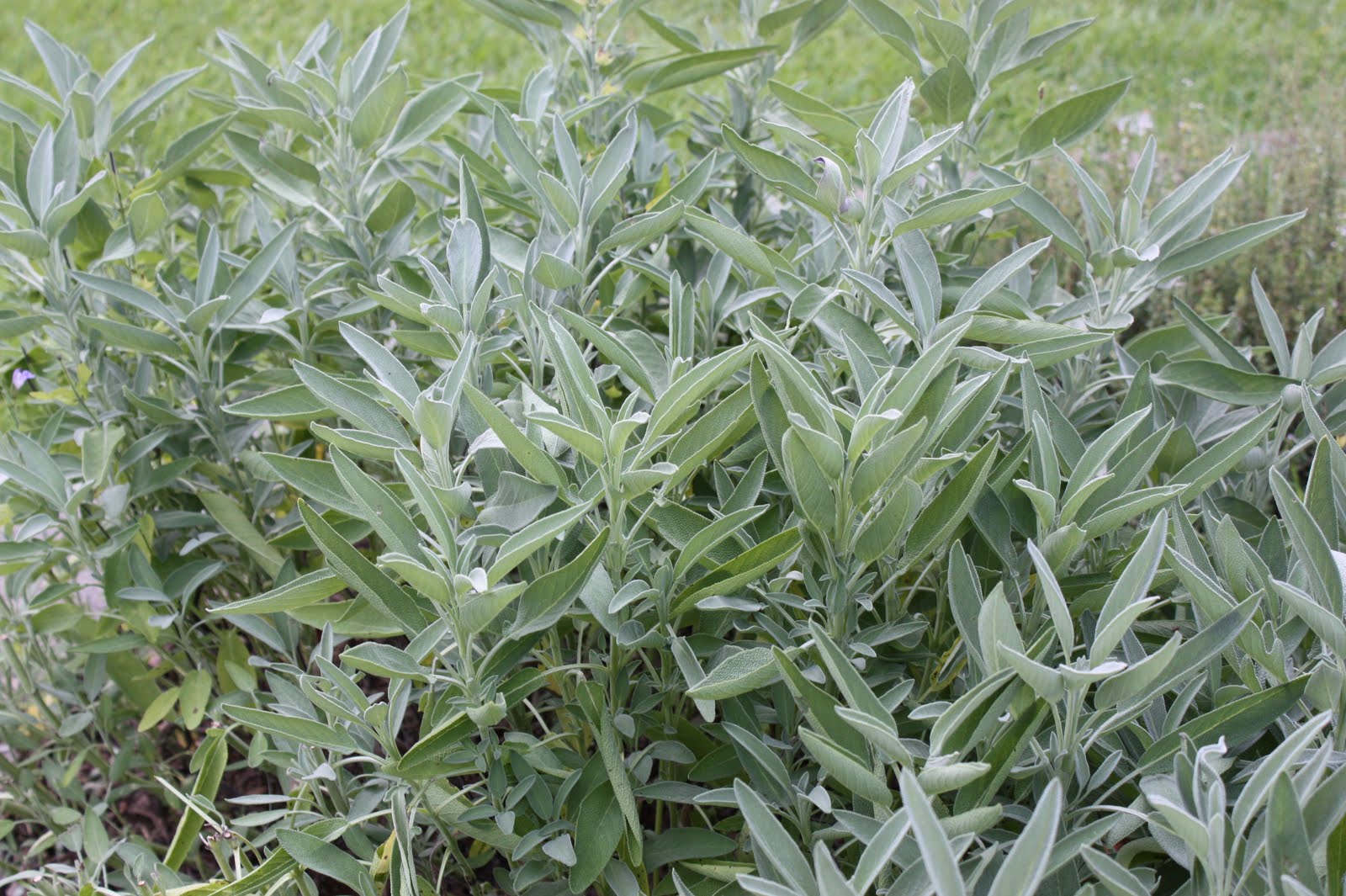
Some of the sage and thyme from last year's harvest!
Several years ago we visited with a family in the area that we lived in who had a wonderful garden that was set up with walking paths and points of interest. As you walked through you could stop, taste and smell so many wonderful herbs and garden vegetables and it was just amazing. I have always wanted to do something similar on our own little homestead, but there have always been other projects that have been more important. Maybe this fall and winter will be a good time to get some more herb beds built....maybe.
Earlier this year we became acquainted with a BBC series entitled Lark Rise to Candleford which was inspired by a trilogy of the same title. It is somewhat of an autobiography written by Flora Thompson and depicts life in a small English hamlet in the late 1800s. Here's some more information on the book from Christianbook.com.
 | Lark Rise to Candleford: A Trilogy By Flora Thompson / David R. Godine Publisher, Inc Flora Thompson (1876-1947) wrote what may be the quintessential distillation of English country life at the turn of the twentieth century. In 1945, the three books Lark Rise (1939), Over to Candleford (1941), and Candleford Green (1943) were published together in one elegant volume, and this new omnibus Nonpareil edition, complete with charming wood engravings, should be a cause for real rejoicing. In his introduction, H. J. Massingham observes that Thompson "possesses the attributes both of sympathetic presentation and literary power to such a degree of quality and beauty that her claims upon posterity can hardly be questioned." He calls the books themselves "a triune achievement: a triumph of evocation in the resurrecting of an age that, being transitional, was the most difficult to catch as it flew; another in diversity of rural portraiture engagingly blended with autobiography; and the last in the overtones and implications of a set of values which is the author's 'message'." This is the story of three closely-related Oxfordshire communities - a hamlet, a village, and a town - and the memorable cast of characters who people them. Based on her own experiences as a child and young woman, it is keenly observed and beautifully narrated, quiet and evocative. |
I recently picked up the book and was intrigued with the following paragraph describing the hamlet wives' use of the many herbs available to them.
As well as their flower garden, the women cultivated a herb corner, stocked with thyme and parsley and sage for cooking, rosemary to flavour the home-made lard, lavender to scent the best clothes, and peppermint, pennyroyal, horehound, camomile, tansy, balm, and rue for physic. They made a good deal of camomile tea, which they drank freely to ward off colds, to soothe the nerves, and as a general tonic. A large jug of this was always prepared and stood ready for heating up after confinements. The horehound was used with honey in a preparation to be taken for sore throats and colds on the chest. Peppermint tea was made rather as a luxury than a medicine; it was brought out on special occasions and drunk from wine-glasses...
As well as the garden herbs, still in general use, some of the older women used wild ones, which they gathered in their seasons and dried. But the knowledge and use of these was dying out; most people depended upon their garden stock. Yarrow, or milleflower, was an exception; everybody still gathered that in large quantities to make 'yarb beer'. Gallons of this were brewed and taken to work in their tea cans by the men and stood aside in the pantry for the mother and children to drink whenever thirsty. The finest yarrow grew beside the turnpike, and in dry weather the whole plant became so saturated with white dust that the beer, when brewed, had a milky tinge. If the children remarked on this they were told, "Us've all got to eat a peck o' dust before we dies, an' it'll slip down easy in the good yarb beer.'
Yes, much of our knowledge in using herbs has been lost, but I hope to learn more and more every year and in my learning, I hope to teach my children as well. Some of them are already interested and it is exciting to learn together with my children. Do you have an herb garden? Is this something you are interested in? Please share some tips with me!
 |
| raisinghomemakers.com |